What Are the Best Electrical PVC Pipes for House Wiring?
- Written by
- Jason
- Published
- Reading time
- 15 min read
Bad electrical conduit choices can create real problems inside a home. I have seen homeowners buy ordinary plumbing PVC, force too many wires into a small pipe, or install light-duty conduit where stronger protection is needed.
That creates heat, inspection issues, and long-term safety risks.
The good news is simple. When we choose the right electrical PVC conduit, follow code, and size it correctly, house wiring becomes safer, cleaner, and easier to maintain.
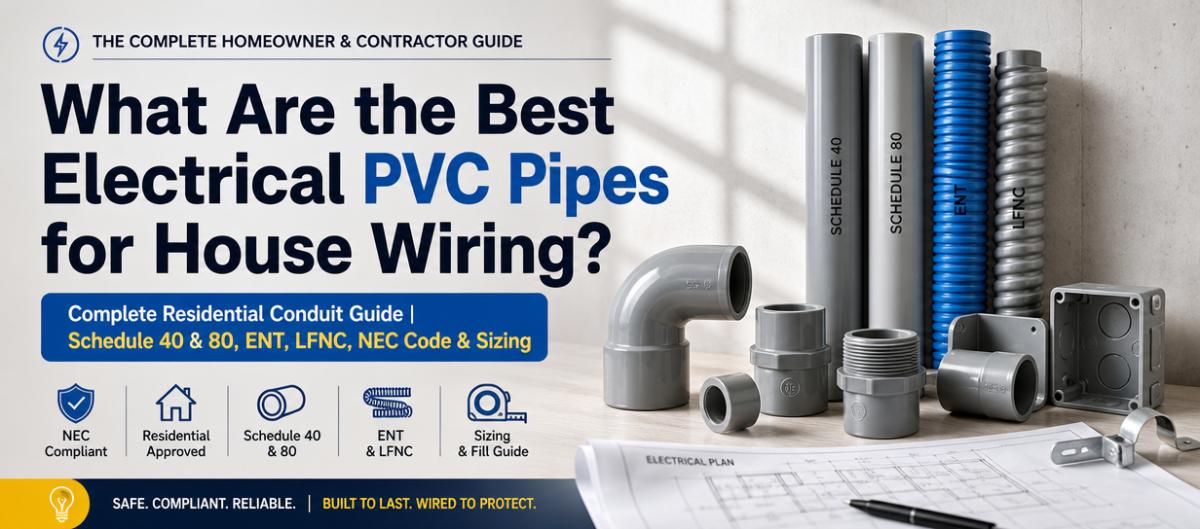
The best electrical PVC pipes for house wiring are usually Schedule 40 rigid PVC conduit for general runs, Schedule 80 PVC conduit where extra physical protection is needed, and ENT or flexible nonmetallic conduit for approved indoor routing. I always recommend using only listed electrical conduit, not plumbing pipe, and checking local code before installation.
If you want a safe wiring system, the pipe itself matters.
But the “best” pipe depends on location, wire type, impact risk, moisture exposure, and local electrical rules.
Below, I’ll break it down in a simple, practical way.
Quick Answer: Which PVC Electrical Pipe Should I Use?
For most homes, I usually look at these options first:
| PVC Electrical Pipe Type | Best Use in House Wiring | Main Advantage | My Expert Note |
|---|---|---|---|
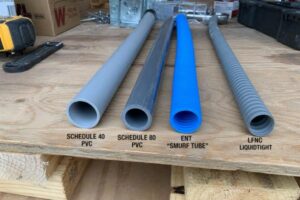
| Schedule 40 rigid PVC conduit | General indoor, outdoor, and underground electrical runs where permitted | Affordable, corrosion-resistant, easy to install | My most common choice for standard residential conduit work |
| Schedule 80 rigid PVC conduit | Areas exposed to physical damage, such as garages, exterior walls, and service areas | Thicker wall and better impact protection | I use it when the conduit may be hit or exposed |
| ENT electrical nonmetallic tubing | Concealed indoor wiring in walls, ceilings, and slabs where allowed | Flexible and fast to route | Great for tight framing areas, but must be approved by local code |
| LFNC liquidtight flexible nonmetallic conduit | Short flexible connections to equipment, damp areas, or outdoor equipment where rated | Flexible and moisture-resistant | Best for specific equipment connections, not every branch circuit |
For code guidance, I always start with the National Electrical Code, published as NFPA 70 by the National Fire Protection Association: NFPA 70 National Electrical Code.
Features To Look For in Electrical PVC Pipes
Choosing PVC conduit is not just about buying the cheapest pipe on the shelf. The right product should protect conductors, pass inspection, and stay reliable for many years.
Here are the main features I look for.
Durability and Strength
Durability is one of the most important features of electrical PVC pipe.
A good conduit should resist cracking, crushing, and damage during installation. It should also hold up after it is installed inside walls, underground, or along exterior surfaces.
For normal residential work, Schedule 40 PVC conduit is usually durable enough. But in exposed areas, I prefer Schedule 80 PVC conduit because it has a thicker wall and better impact resistance.
Use stronger conduit in places like:
- Garages
- Workshops
- Utility rooms
- Exterior walls
- Areas near lawn equipment
- Places where ladders, tools, or vehicles may hit the pipe
Fire Resistance
Electrical PVC conduit is not fireproof, but listed electrical conduit is manufactured for electrical applications and must meet recognized safety standards.
This matters because electrical wiring can generate heat under fault conditions.
A proper conduit system helps protect wires and reduces the risk of damage spreading through the structure.
The key point is simple:
Use only listed electrical PVC conduit, not plumbing PVC.
Electrical conduit is tested for electrical use. Plumbing pipe is not designed for the same application.
Easy Installation
I also look for conduit that is easy to cut, join, bend, and support.
PVC conduit is popular because it is lightweight and easier to handle than metal conduit.
For many residential jobs, it can be installed with basic tools, proper fittings, and approved cement.
Easy installation matters because it can reduce labor time and help produce a cleaner wiring layout.
However, easy does not mean careless.
PVC conduit still needs:
- Proper supports
- Correct fittings
- Clean joints
- Approved cement
- Correct bend radius
- Proper expansion fittings where required
Compliance With Standards
This is non-negotiable.
The best electrical PVC pipe must comply with recognized electrical standards and local code.
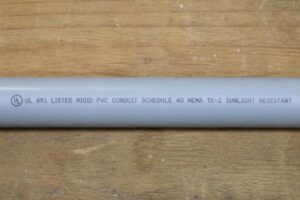
When I inspect conduit, I look for markings that show the product is made for electrical use. Rigid PVC conduit is commonly manufactured to standards such as UL 651, which covers Schedule 40, Schedule 80, Type EB, and Type A rigid PVC conduit and fittings.
You can review UL’s standard information here: UL 651 Standard for Rigid PVC Conduit and Fittings.
I also recommend checking information from the National Electrical Manufacturers Association: NEMA Electrical PVC Conduit Standards.
Popular Types of Electrical PVC Pipes
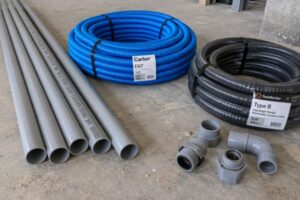
There are several types of PVC electrical conduit used in residential wiring. Each one has a different purpose.
Rigid PVC Conduit
Rigid PVC conduit is the most common type I use for house wiring.
It is strong, corrosion-resistant, and suitable for many indoor, outdoor, and underground applications when installed according to code.
Rigid PVC conduit is often used for:
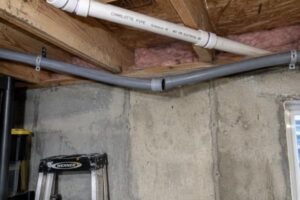
- Basement wiring runs
- Exterior branch circuits
- Underground feeders
- Garage wiring
- Outdoor lighting circuits
- Runs to detached structures, where permitted
The two most common rigid PVC options are Schedule 40 and Schedule 80.
Flexible PVC Conduit
Flexible PVC conduit is useful when rigid conduit is difficult to route.
I normally think of flexible conduit as a problem-solving product, not a replacement for every rigid conduit run.
It can work well for:
- Short equipment connections
- Areas with vibration
- Tight routing spaces
- Outdoor equipment connections, if rated
- Damp areas, when using liquidtight flexible nonmetallic conduit
Flexible conduit is best for movement, vibration, and difficult bends.
For long, straight wiring runs, rigid PVC conduit usually looks cleaner and is easier to support.
High-Impact PVC Pipes
High-impact PVC pipes are used where extra protection is needed.
In electrical work, this usually means choosing Schedule 80 rigid PVC conduit or another approved heavy-duty electrical conduit.
High-impact conduit is useful in:
- Garages
- Workshops
- Exterior exposed walls
- Service entrance areas
- Utility spaces
- Commercial-style residential installations
If a conduit may be hit, crushed, or damaged, high-impact PVC is usually the safer choice.
The cost is slightly higher, but the extra protection can prevent future wiring problems.
What Makes an Electrical PVC Pipe “Best” for House Wiring?
The best pipe is not just the cheapest pipe.
I judge PVC electrical conduit by five practical factors:
- Electrical listing and code compliance
- Wall thickness and impact strength
- Moisture and corrosion resistance
- Ease of bending, cutting, and joining
- Correct size for conductor fill
The most important point is this:
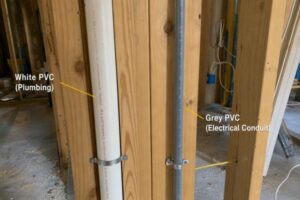
Never use plumbing PVC for electrical wiring.
Plumbing pipe and electrical conduit are made for different jobs.
Electrical PVC conduit is designed and marked for wiring protection. It is usually manufactured to standards such as UL 651, which covers rigid PVC conduit and fittings.
Is Schedule 40 PVC Conduit Good for House Wiring?
Yes.
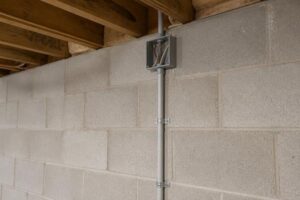
Schedule 40 PVC conduit is one of the best choices for normal residential wiring runs.
I like it because it is lightweight, corrosion-resistant, and easy to cut. It works well for many indoor, outdoor, and underground electrical applications when installed according to code.
I often use Schedule 40 for:
- Basement wiring runs
- Exterior branch circuit runs
- Underground feeder protection
- Garage wiring where impact risk is low
- Runs to sheds, pumps, or outdoor lighting, if approved
Schedule 40 is also easier to work with than metal conduit.
That said, it is not the strongest option.
If the conduit is exposed where someone may hit it with tools, bikes, ladders, or vehicles, I usually upgrade to Schedule 80.
When Should I Choose Schedule 80 PVC Conduit?
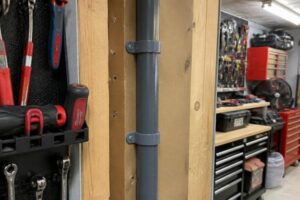
I choose Schedule 80 PVC conduit when the wiring needs extra protection.
Schedule 80 has a thicker wall than Schedule 40.
That means it has a smaller inside diameter for the same trade size, but it gives better protection against physical damage.
I recommend Schedule 80 for:
- Exposed garage walls
- Exterior walls near walkways
- Utility rooms
- Service entrance areas
- Workshops
- Areas near lawn equipment
- Any place where conduit may be struck
For me, the rule is simple:
If the conduit is exposed and likely to be damaged, Schedule 80 is usually the safer choice.
It costs more.
It can be a little harder to pull wire through.
But the extra strength is worth it in vulnerable areas.
Is ENT Good for Home Electrical Wiring?
ENT stands for electrical nonmetallic tubing.
Many people call it “smurf tube” because it is often blue.
I like ENT for concealed indoor wiring where local code allows it. It bends easily and routes through framing faster than rigid conduit.
It can be useful for:
- Interior walls
- Ceilings
- Concrete slab work
- Low-impact concealed areas
- Future wire upgrades
However, ENT is not the same as rigid PVC conduit.
It is more flexible.
It is not suitable everywhere.
For product examples, ABB’s Carlon line is a common reference in the market: Carlon Electrical Nonmetallic Tubing.
Can I Use Flexible PVC Conduit for House Wiring?
Yes, but only in the right places.
Flexible nonmetallic conduit can be helpful when a rigid pipe is hard to route.
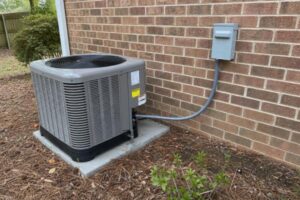
I normally use liquidtight flexible nonmetallic conduit, often called LFNC, for short equipment connections or damp locations where flexibility is required.
It can be useful for:
- Air conditioning units
- Outdoor equipment
- Pool-related equipment where allowed
- Pumps
- Short final connections
But I do not treat flexible conduit as a universal replacement for rigid PVC.
Flexible conduit is best for movement, vibration, and difficult bends.
For long, straight house wiring runs, rigid PVC conduit is usually cleaner and easier to support.
What Size PVC Electrical Pipe Is Best for House Wiring?
Sizing is where many mistakes happen.
A pipe that is too small makes wire pulling difficult.
It can also create heat problems if conductor fill rules are ignored.
A pipe that is much too large wastes money and space.
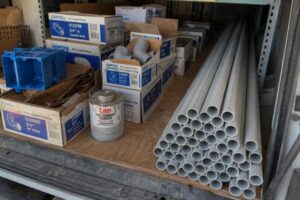
Here is a simple reference table I use for early planning.
This is not a replacement for code calculations, but it helps homeowners understand the basic idea.
| Common Trade Size | Typical Residential Use | Why I Might Choose It | Important Reminder |
|---|---|---|---|
| 1/2 inch | Small lighting or receptacle runs with limited conductors | Compact and affordable | Can fill up quickly |
| 3/4 inch | Common branch circuit runs | Easier pulling and better upgrade room | My usual minimum when future changes are possible |
| 1 inch | Feeders, longer runs, or multiple circuits where allowed | More space for conductors | Check conduit fill carefully |
| 1-1/4 inch and larger | Subpanels, detached garages, larger feeders | Better for heavier conductors | Requires careful planning and proper fittings |
My practical advice is this:
Do not guess conduit size. Calculate conductor fill.
The NEC includes conduit fill rules.
Electricians also use manufacturer charts and code tables to confirm sizing.
If I expect future upgrades, I often choose one size larger, as long as it still fits the project and code requirements.
Top Brands and Recommendations
When choosing electrical PVC conduit, I care most about code compliance, reliable markings, product availability, and fitting compatibility.
A good brand should make it easy to find matching conduit, elbows, couplings, boxes, expansion fittings, and cement.
Reliable Manufacturers in the Market
Here are several well-known manufacturers commonly used in electrical conduit projects:
| Brand / Manufacturer | Common Products | Why It Is Worth Considering | Useful Link |
|---|---|---|---|
| ANTON PVC Electrical Pipe | PVC electrical conduit, fittings, and related wiring protection products | A practical option for residential and commercial electrical wiring projects, especially where durable PVC conduit and accessible supply are important | ANTON PVC Electrical Pipe |
| CANTEX | Schedule 40 and Schedule 80 PVC conduit, fittings, boxes | Strong product range and widely used in electrical installations | CANTEX PVC Electrical Products |
| ABB Carlon | ENT, PVC conduit, fittings, boxes | Very common for residential and commercial nonmetallic electrical systems | ABB Carlon Conduit and Fittings |
| JM Eagle | PVC electrical conduit and utility products | Large North American pipe manufacturer with broad distribution | JM Eagle Electrical Conduit |
| Atkore Heritage Plastics | PVC conduit, elbows, fittings | Recognized supplier of electrical raceway products | Atkore PVC Conduit Products |
My Personal Favorites
For standard residential wiring, my personal preference is usually:
- ANTON PVC Electrical Pipe for reliable electrical wiring protection where the product is locally available and properly certified
- CANTEX Schedule 40 PVC conduit for normal protected runs
- CANTEX or JM Eagle Schedule 80 PVC conduit for exposed areas
- ABB Carlon ENT for approved concealed indoor routing
- ABB Carlon or compatible listed fittings when I need easy system matching
I like these options because they are widely used, practical for residential wiring, and offer reliable conduit solutions when matched with the correct fittings and installation method.
That said, I do not choose by brand name alone.
My first requirement is always that the conduit is listed, properly marked, and approved for the installation location.
Warranty and After-Sales Support
Warranty and support matter more than many homeowners think.
If a pipe, fitting, or accessory fails or does not match the project, good manufacturer support can save time and money.
When comparing brands, I look for:
- Clear product documentation
- Easy-to-find technical data sheets
- Availability of matching fittings
- Responsive customer service
- Warranty information
- Local distributor support
For this reason, ANTON PVC Electrical Pipe can be a strong choice in markets where ANTON has established distribution, product availability, and customer support. I recommend checking the manufacturer’s official product information, certifications, and warranty details before buying.
What Standards Should PVC Electrical Pipes Meet?
When I inspect or select conduit, I look for clear markings.
Good electrical PVC conduit should show information such as:
- Manufacturer name
- Conduit type
- Trade size
- Schedule rating
- Electrical listing
- Standard reference
- Application marking where required
For rigid PVC conduit, I want to see that it is made for electrical use and listed under recognized standards.
This matters because inspectors look for listed materials.
Insurance companies may also care after a failure.
Most importantly, your home safety depends on using the right product.
Should I Use PVC Conduit or Metal Conduit in a House?
PVC and metal conduit both have value.
I choose PVC when corrosion resistance, moisture protection, and easy installation are priorities.
PVC is especially useful in:
- Damp basements
- Underground runs
- Outdoor circuits
- Coastal or corrosive environments
- DIY-friendly residential projects where allowed
Metal conduit can be better where grounding continuity, fire resistance, or high mechanical protection is needed.
But metal conduit requires different fittings and bonding knowledge.
For many residential projects, PVC conduit gives the best balance of cost, durability, and ease of installation.
Still, I always match the material to the location.
There is no single conduit that is best everywhere.
What Are the Most Common Mistakes With Electrical PVC Pipes?
I see these mistakes often.
And most of them are avoidable.
1. Using Plumbing PVC Instead of Electrical PVC
This is the biggest mistake.
Plumbing PVC is not electrical conduit.
It may not meet electrical listing requirements.
It may not have the correct flame, impact, or installation rating.
2. Overfilling the Conduit
Too many wires in one pipe create pulling problems and possible overheating.
Always follow conduit fill rules.
3. Ignoring Expansion and Contraction
PVC expands and contracts with temperature changes.
For long outdoor runs, I consider expansion fittings.
Skipping this can cause conduit to bow, pull apart, or stress fittings.
4. Using the Wrong Glue or Cement
Electrical PVC conduit requires compatible cement and proper joint preparation.
I do not mix random adhesives.
Clean joints matter.
5. Poor Support Spacing
PVC conduit must be supported correctly.
If supports are too far apart, the conduit sags.
That looks unprofessional and may fail inspection.
6. Forgetting Local Code
The NEC is important, but local rules can be stricter.
Always check with your local authority having jurisdiction before installation.
My Recommended Setup for Typical House Wiring
If a homeowner asks me what I would use in a normal residential project, my answer is usually this:
- Schedule 40 PVC conduit for most standard protected runs
- Schedule 80 PVC conduit where physical damage is possible
- ENT for approved concealed indoor routing
- LFNC for short flexible equipment connections
- Listed PVC fittings, boxes, and cement
- Correct conduit size based on conductor fill
- A licensed electrician for final design and inspection
That setup covers most practical residential needs.
It is safe, clean, and cost-effective when installed properly.
More Related Questions
Can PVC electrical conduit be used outdoors?
Yes.
PVC electrical conduit is commonly used outdoors, but it must be rated and installed correctly. Use weatherproof fittings, proper supports, and expansion fittings when needed.
Can PVC conduit be buried underground?
Yes.
PVC conduit is often used underground.
Depth, conduit type, wire type, and installation method must follow local code.
Is PVC conduit fireproof?
No.
PVC is not fireproof.
But listed electrical PVC conduit is designed for electrical applications and must meet specific performance standards.
Can I run Romex inside PVC conduit?
Sometimes, but it is not always practical or preferred.
In many conduit systems, individual conductors such as THHN/THWN are commonly used. I recommend asking a licensed electrician before placing cable assemblies inside conduit.
What is the best PVC pipe brand for house wiring?
I focus less on brand name and more on listing, markings, standard compliance, and local availability. Brands such as CANTEX, ABB Carlon, JM Eagle, and Atkore Heritage Plastics are commonly used in the market.
Conclusion
The best PVC pipe for house wiring is listed electrical PVC conduit, not plumbing pipe. I usually choose Schedule 40 for standard runs, Schedule 80 for exposed areas, ENT for approved concealed indoor work, and LFNC for flexible equipment connections. Always size correctly, buy from reliable brands, and follow local electrical code.