Cost-Effective LSZH Wiring Duct Options for Large Projects
- Written by
- Jason
- Published
- Reading time
- 9 min read
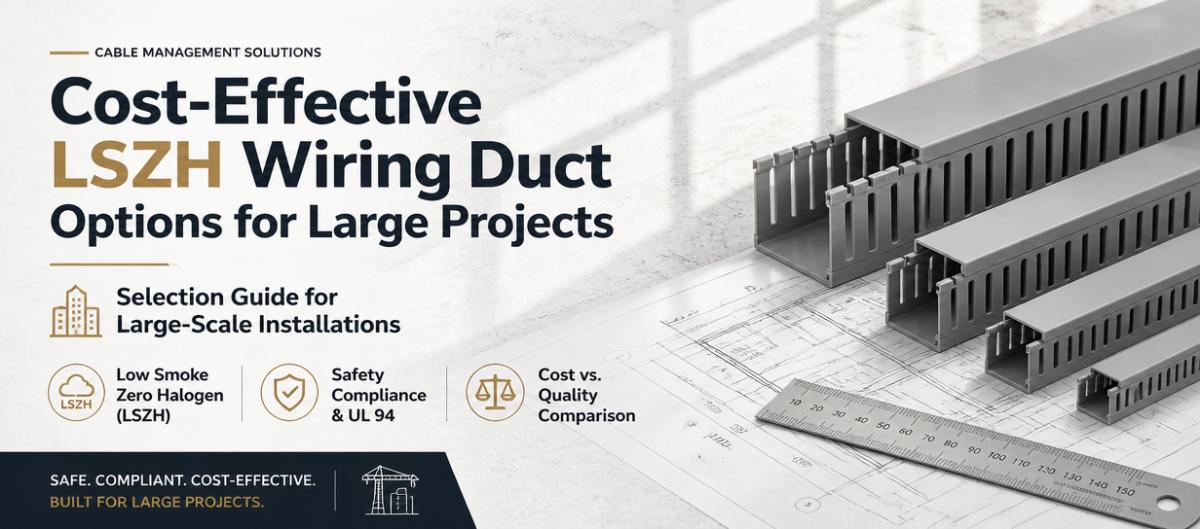
When a large wiring project starts, the budget can get tight fast. Cable routing, safety compliance, labor hours, and material waste all add pressure. I have seen teams choose the cheapest duct first, then pay more later through rework, cracking, poor fit, or failed safety reviews. That is the real problem. LSZH wiring duct can look expensive at first. But when we plan it correctly, it can protect people, reduce project risk, and still stay cost-effective.
The most cost-effective LSZH wiring duct option is not always the lowest-priced product. It is the duct that gives us the right safety performance, stable supply, easy installation, and acceptable lifecycle cost. For large projects, I usually compare material certification, duct size range, supplier reliability, bulk pricing, and installation waste before I choose.
I’m Jason, and I work with wiring duct selection from a practical project angle. In this guide, I’ll break down how I compare LSZH wiring duct options for large installations.
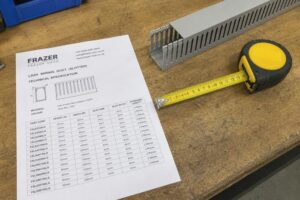
Quick Answer: What Should I Look For First?
For large projects, I focus on these points first:
- Certified LSZH material
- Low smoke and halogen-free performance
- Stable duct dimensions
- Good cover fit
- Bulk order pricing
- Available sizes
- Short delivery lead time
- Trusted brand or verified supplier
- Low installation waste
- Clear technical datasheet
LSZH means Low Smoke Zero Halogen. It is designed to reduce smoke density and corrosive halogen gas release during fire exposure.
Why Use LSZH Wiring Duct in Large Projects?
I choose LSZH wiring duct when safety matters more than the smallest upfront price.
In large buildings, there are more cable runs. More electrical panels. More people nearby. If a fire happens, smoke and toxic gases can become serious hazards.
For large projects, I usually see LSZH duct specified because it supports:
- Lower smoke emission
- Reduced halogen acid gas risk
- Better safety profile in enclosed spaces
- Compliance-driven project design
- Improved fire safety planning
I also check flammability and material testing references. For plastic materials, the UL 94 standard is commonly used to evaluate burning behavior.
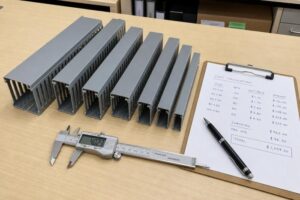
LSZH Wiring Duct Cost Factors
Not all LSZH wiring ducts cost the same.
I always break the cost into more than just unit price. This helps us avoid false savings.
| Cost Factor | Why It Matters | My Practical Advice |
|---|---|---|
| Material grade | Higher-quality LSZH compounds may cost more but perform better | Ask for datasheets and test reports |
| Duct size | Larger duct sizes use more material | Standardize sizes when possible |
| Order volume | Large orders can reduce unit cost | Negotiate project-based pricing |
| Cover quality | Loose covers slow installation and cause rework | Test samples before bulk buying |
| Cutting waste | Poor planning increases scrap | Create a duct layout before ordering |
| Lead time | Delays increase labor and project costs | Confirm stock before issuing PO |
| Certifications | Missing documents can delay approval | Request certificates before purchase |
The key point is simple.
A low unit price can become expensive if the duct creates installation problems.
How Do I Compare LSZH Wiring Duct Brands?
I compare LSZH wiring duct by performance, availability, and project support.
Here is the basic comparison method I use before I approve a supplier.
| Selection Criteria | What I Check | Why It Helps Large Projects |
|---|---|---|
| LSZH compliance | Datasheet, safety documents, test references | Supports safety approval |
| Smoke performance | Low smoke material claim and test documentation | Reduces risk in enclosed spaces |
| Halogen-free claim | Halogen-free material information | Helps meet project specifications |
| Size range | Width, height, slot design, cover options | Makes layout planning easier |
| Mechanical strength | Rigidity, slot stability, cover grip | Reduces breakage during installation |
| Brand support | Technical documents and sales response | Saves time during procurement |
| Bulk pricing | MOQ, discount tiers, project quotation | Controls total project cost |
| Delivery reliability | Stock level and lead time | Keeps installation schedule stable |
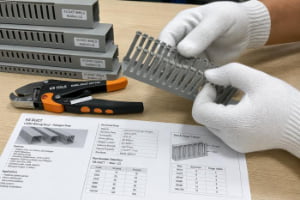
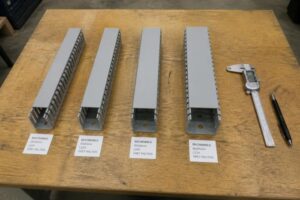
I never approve a duct only from a photo.
I ask for samples.
I cut them.
I bend them slightly.
I check the cover.
I test how fast my team can install them.
That simple step saves a lot of trouble.
Which LSZH Wiring Duct Brands and Products Have I Had Success With?
For large projects, I prefer brands or suppliers that provide consistent quality, clear documentation, and reliable delivery.
Below are the LSZH wiring duct options I would consider and how I view each one.
Panduit LSZH Wiring Duct
Panduit is a well-known name in wire management and control panel organization. I like Panduit because the product documentation is usually strong, and the duct quality is consistent.
Their wiring duct systems are commonly used in industrial panels, automation cabinets, and electrical enclosures. When I need clean routing, good cover fit, and professional presentation, Panduit is often on my shortlist.
For large projects, Panduit can be a good fit when:
- Panel appearance matters
- Documentation is required
- Installers need predictable duct quality
- The project has strict electrical standards
The downside is price.
Panduit may not always be the cheapest option. But for critical projects, I consider the reduced rework risk valuable.
HellermannTyton LSZH Wiring Duct
HellermannTyton is another strong wire management brand. I like them for organized cable routing, labeling support, and broad cable management solutions.
Their products are often used in electrical panels, machinery, telecom areas, and industrial installations. I pay attention to their duct design because easy installation can reduce labor time.
For large projects, HellermannTyton is useful when:
- Cable identification is important
- The team needs reliable accessories
- The project needs a recognized wire management supplier
- Neat routing is part of the acceptance standard
Again, I still request technical data before purchase.
Brand reputation helps.
But project compliance depends on the actual product specification.
ANTON LSZH Wiring Duct
ANTON LSZH wiring duct can be a practical option for cost-sensitive large projects, especially when the buyer needs a balance between price and functional performance.
When I evaluate ANTON LSZH wiring duct, I focus on the supplier’s technical documents first. I want to see:
- LSZH material declaration
- Halogen-free information
- Smoke performance data
- Flame-retardant rating
- Available duct sizes
- Color options
- Bulk order lead time
- Packaging method
I also ask for physical samples.
This is important.
For large installations, a small difference in duct stiffness or cover grip can affect hundreds of meters of installation work.
If ANTON provides complete documentation and stable batch quality, I see it as a strong option for projects where cost control is a major priority.
ABB LSZH Wiring Duct
ABB is a global electrical and automation brand. I trust ABB as a supplier category because the company has deep experience in electrification, industrial systems, and electrical infrastructure.
For LSZH wiring duct, I would consider ABB-related solutions when the project already uses ABB electrical panels, switchgear, or automation components. This can make procurement easier.
ABB is especially attractive for projects that need:
- Industrial-grade reliability
- Strong brand recognition
- Electrical system compatibility
- Professional documentation
- Long-term supplier confidence
ABB products may cost more than some local alternatives.
But for high-value sites, that extra cost can be justified by lower project risk and stronger customer confidence.
What Is the Most Cost-Effective Buying Strategy?
My buying strategy is simple.
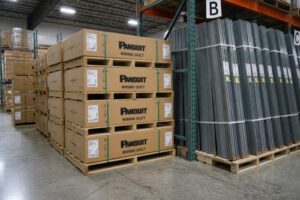
I do not buy LSZH wiring duct piece by piece.
For large projects, I use a structured procurement plan.
My usual process:
- Confirm project safety requirements
- List required duct sizes
- Estimate total meter length
- Add controlled spare quantity
- Request samples
- Compare datasheets
- Get at least three quotations
- Negotiate bulk pricing
- Confirm delivery schedule
- Inspect first batch before full installation
This process helps me control both price and risk.
The most important step is sample testing.
If the cover is hard to snap on, labor cost increases.
If the duct cracks during cutting, waste increases.
If the datasheet is unclear, approval slows down.
That is why cheap duct is not always cost-effective duct.
How Can I Reduce LSZH Wiring Duct Waste?
Waste control is one of the easiest ways to save money.
In large projects, even a small waste percentage becomes expensive.
Here is what I do:
- Create a duct layout before ordering
- Use standard duct sizes where possible
- Avoid unnecessary size variety
- Train installers on clean cutting
- Use correct cutting tools
- Store ducts flat and protected
- Keep covers matched with bases
- Track leftover lengths by size
I also tell teams not to overfill the duct.
Overfilled duct makes future maintenance harder. It can also force installers to remove and replace sections.
That is wasted time.
And time is money.
How Do I Balance Safety and Budget?
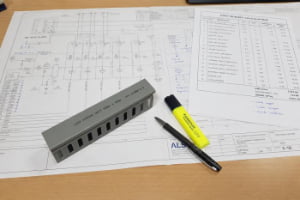
I balance safety and budget by separating must-have requirements from nice-to-have preferences.
Must-have items include:
- LSZH material
- Flame-retardant performance
- Correct duct size
- Stable cover fit
- Required documentation
- Reliable supply
Nice-to-have items may include:
- Special color
- Premium brand only
- Extra accessories
- Custom packaging
- Non-standard dimensions
I never cut safety requirements.
But I will optimize brand choice, order quantity, size standardization, and delivery method.
That is how I keep LSZH wiring duct cost-effective without lowering project quality.
More Related Questions
Is LSZH Wiring Duct More Expensive Than PVC Wiring Duct?
Yes, usually.
LSZH wiring duct often costs more than standard PVC duct because the material formulation is more specialized. But in safety-sensitive projects, the added cost can be justified.
Can I Use LSZH Wiring Duct in Control Panels?
Yes.
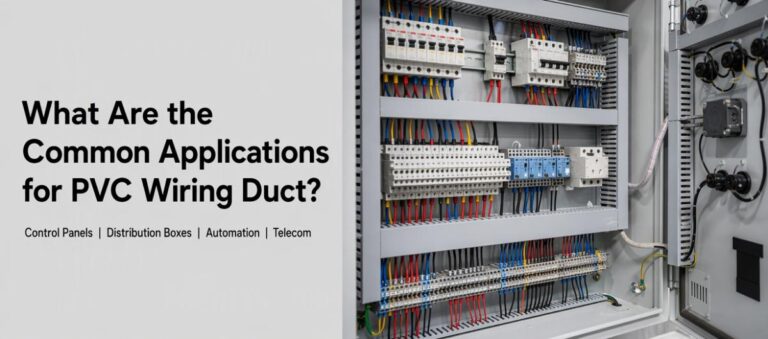
LSZH wiring duct is commonly used in electrical enclosures and control panels when the project requires low-smoke, halogen-free material.
Should I Use LSZH Wiring Duct for Every Project?
Not always.
I recommend LSZH wiring duct for enclosed public spaces, critical infrastructure, transport systems, healthcare, and projects with strict fire safety requirements.
What Documents Should I Request from Suppliers?
I usually request:
- Product datasheet
- Material declaration
- Flammability information
- Halogen-free statement
- Smoke performance data
- RoHS or environmental compliance documents if required
- Batch consistency confirmation
Conclusion
Cost-effective LSZH wiring duct is about total project value, not just unit price. I choose products with safe materials, reliable covers, clear documentation, and stable supply. For large projects, good planning, bulk purchasing, and sample testing are the best ways to save money without sacrificing safety.